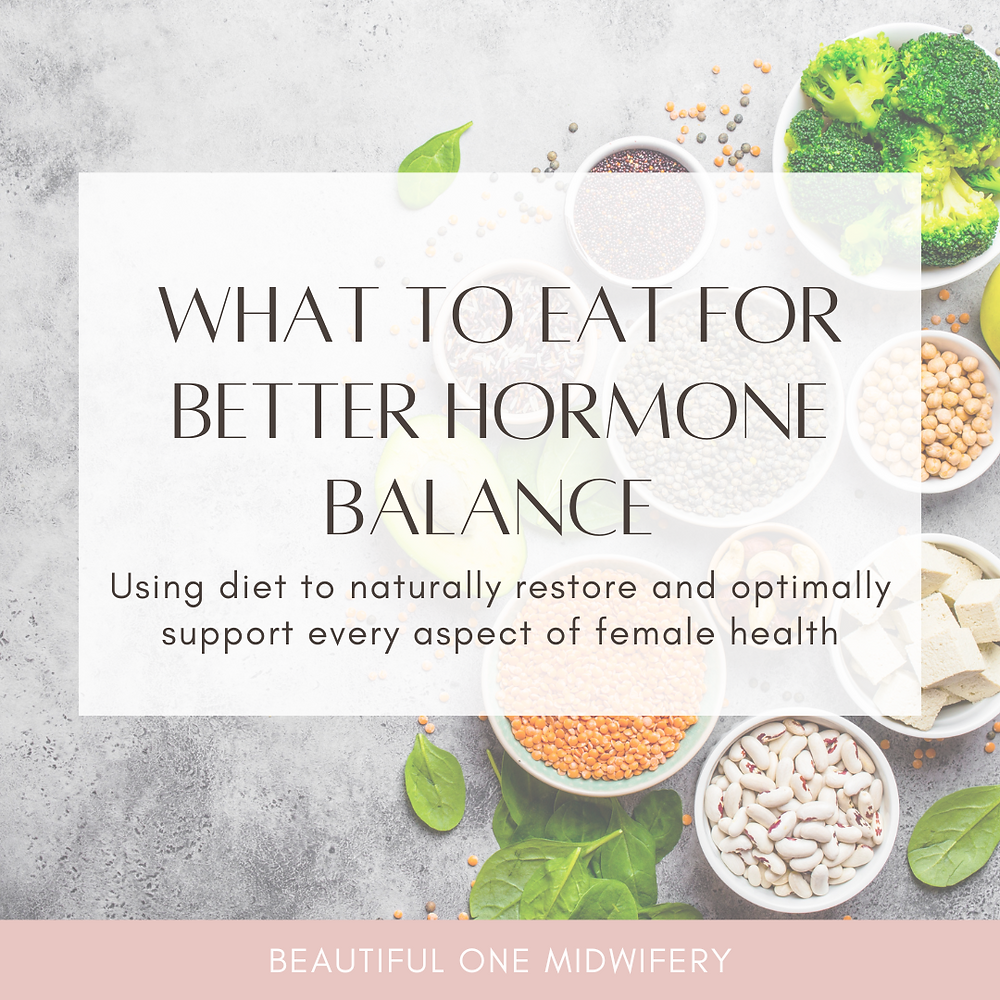
Everything you need to know about eating for balanced hormones — from seed cycling to the best foods for each phase of your cycle.
Hormonal balance isn't something that happens by accident. The food you eat directly affects how your body produces, uses, and clears hormones. Here's how to build a plate that works with your biology.
Understanding your hormonal cycle
Your menstrual cycle is divided into four phases — menstrual, follicular, ovulatory, and luteal. Each phase has different nutritional needs and hormonal profiles.
Phase 1 & 2: Menstrual & Follicular (Days 1–13)
Oestrogen is rising during this time. Support it with:
- Iron-rich foods to replenish losses: red meat, lentils, dark leafy greens
- Flaxseeds (1 tbsp daily) — phytoestrogens help modulate oestrogen
- Light proteins and plenty of colourful vegetables
Phase 3 & 4: Ovulatory & Luteal (Days 14–28)
Progesterone rises during the luteal phase. Support it with:
- Magnesium-rich foods: dark chocolate, pumpkin seeds, almonds, spinach — reduces PMS symptoms
- B6-rich foods: poultry, bananas, potatoes — essential for progesterone production
- Reduce caffeine and alcohol, which blunt progesterone
The non-negotiables
Regardless of cycle phase, these fundamentals apply every day:
- Eat enough calories — chronic undereating is one of the most common causes of hormonal disruption
- Include protein at every meal to stabilise blood sugar
- Prioritise sleep — cortisol and melatonin directly interact with sex hormones
- Limit ultra-processed foods — their additives and preservatives interfere with hormonal signalling