Polycystic ovary syndrome affects 1 in 10 women — yet most go years without a diagnosis. Here is everything you need to know about PCOS, its symptoms, and how to manage it naturally.
Polycystic ovary syndrome (PCOS) is one of the most common hormonal conditions affecting women of reproductive age, yet it remains widely misunderstood and frequently underdiagnosed. If you have been struggling with irregular periods, stubborn weight gain, acne, or unexplained fatigue — PCOS could be the missing piece of the puzzle.
What is PCOS?
PCOS is a hormonal disorder in which the ovaries produce an excess of androgens (male hormones), disrupting the normal menstrual cycle. The name refers to the small, fluid-filled cysts that can develop on the ovaries — though not every woman with PCOS has visible cysts, and not every woman with ovarian cysts has PCOS.
It is estimated that 1 in 10 women worldwide are affected, making it the most common endocrine disorder in women of reproductive age.
Common symptoms of PCOS
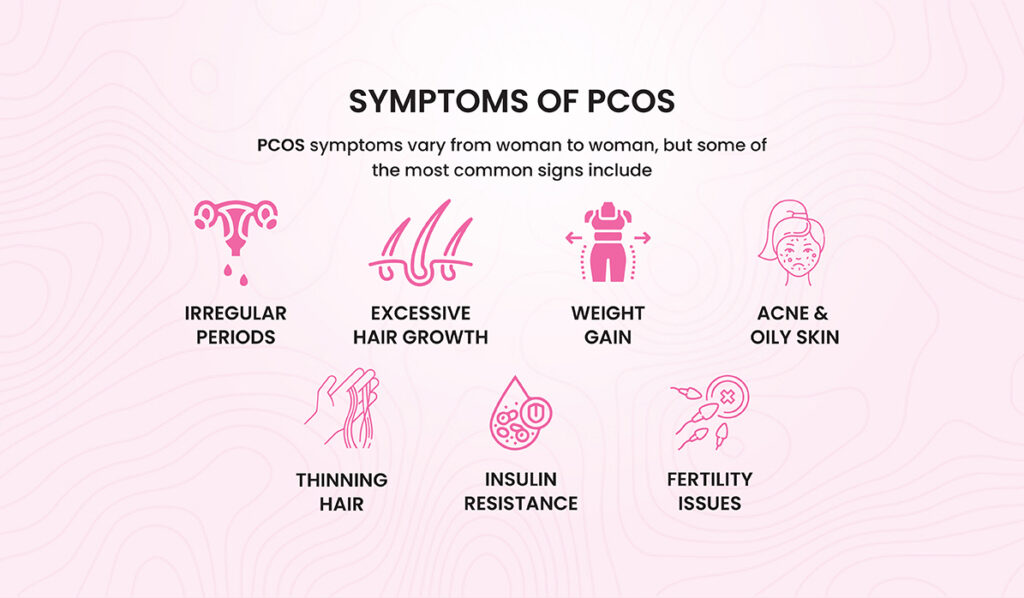
PCOS presents differently in every woman. You may have just a few of these symptoms, or several at once:
- Irregular or absent periods — one of the most telling signs
- Excess hair growth (hirsutism) — on the face, chest, or back due to elevated androgens
- Acne — particularly along the jawline, chin, and cheeks
- Hair thinning or loss — similar pattern to male-pattern baldness
- Weight gain — especially around the abdomen, often linked to insulin resistance
- Fatigue and brain fog
- Mood changes — anxiety and depression are significantly more common in women with PCOS
- Difficulty conceiving — PCOS is one of the leading causes of female infertility
What causes PCOS?
The exact cause is not fully understood, but several factors are known to play a role:
- Insulin resistance — up to 70% of women with PCOS have some degree of insulin resistance. When cells do not respond properly to insulin, the body produces more of it, which in turn stimulates the ovaries to produce excess androgens.
- Inflammation — chronic low-grade inflammation is closely linked to PCOS and drives androgen production.
- Genetics — PCOS tends to run in families, suggesting a hereditary component.
- Hormonal imbalances — elevated LH (luteinising hormone) relative to FSH (follicle-stimulating hormone) disrupts ovulation.
How is PCOS diagnosed?
Doctors typically use the Rotterdam criteria — a diagnosis of PCOS requires at least two of the following three features:
- Irregular or absent ovulation
- Elevated androgen levels (shown in blood tests or physical symptoms)
- Polycystic ovaries on ultrasound
If you suspect you have PCOS, ask your doctor for a full hormonal blood panel including LH, FSH, testosterone, DHEA-S, prolactin, thyroid function, and fasting insulin.
Managing PCOS naturally
While there is no cure for PCOS, symptoms can be significantly improved — and in many cases reversed — through lifestyle changes.
1. Balance your blood sugar
Because insulin resistance is central to most PCOS cases, stabilising blood sugar is one of the most powerful things you can do. Focus on:
- Eating protein at every meal to slow glucose absorption
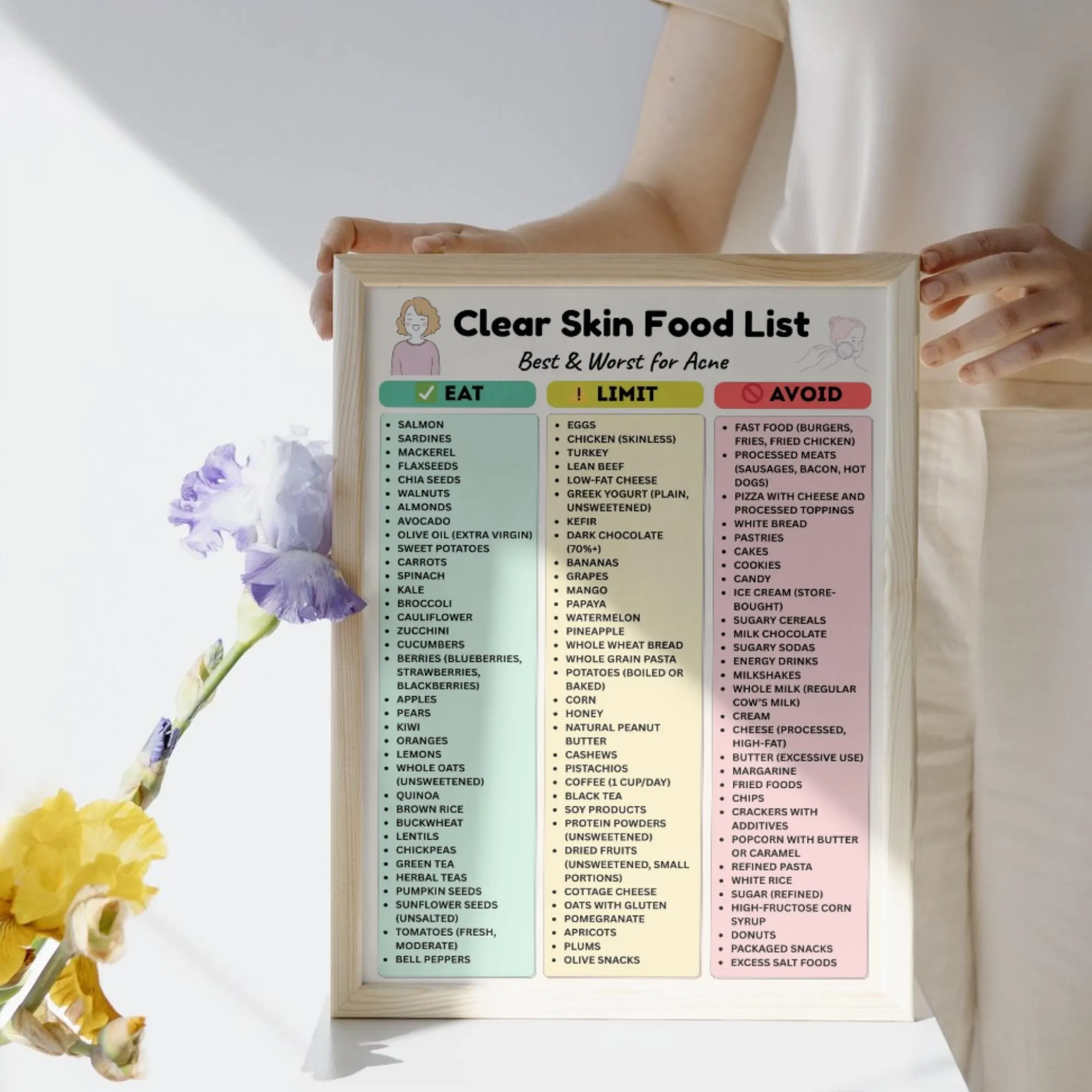
- Reducing refined carbohydrates, sugary drinks, and processed foods
- Including healthy fats (avocado, olive oil, nuts) to improve insulin sensitivity
- Eating vegetables before carbohydrates at meals — this simple habit blunts blood sugar spikes
2. Move your body consistently
Exercise improves insulin sensitivity, reduces androgens, and supports a healthy weight. Strength training is particularly beneficial for women with PCOS as it increases muscle mass, which helps the body use glucose more effectively. Aim for 3–4 sessions per week combining resistance training with low-impact cardio.
3. Reduce inflammation through food
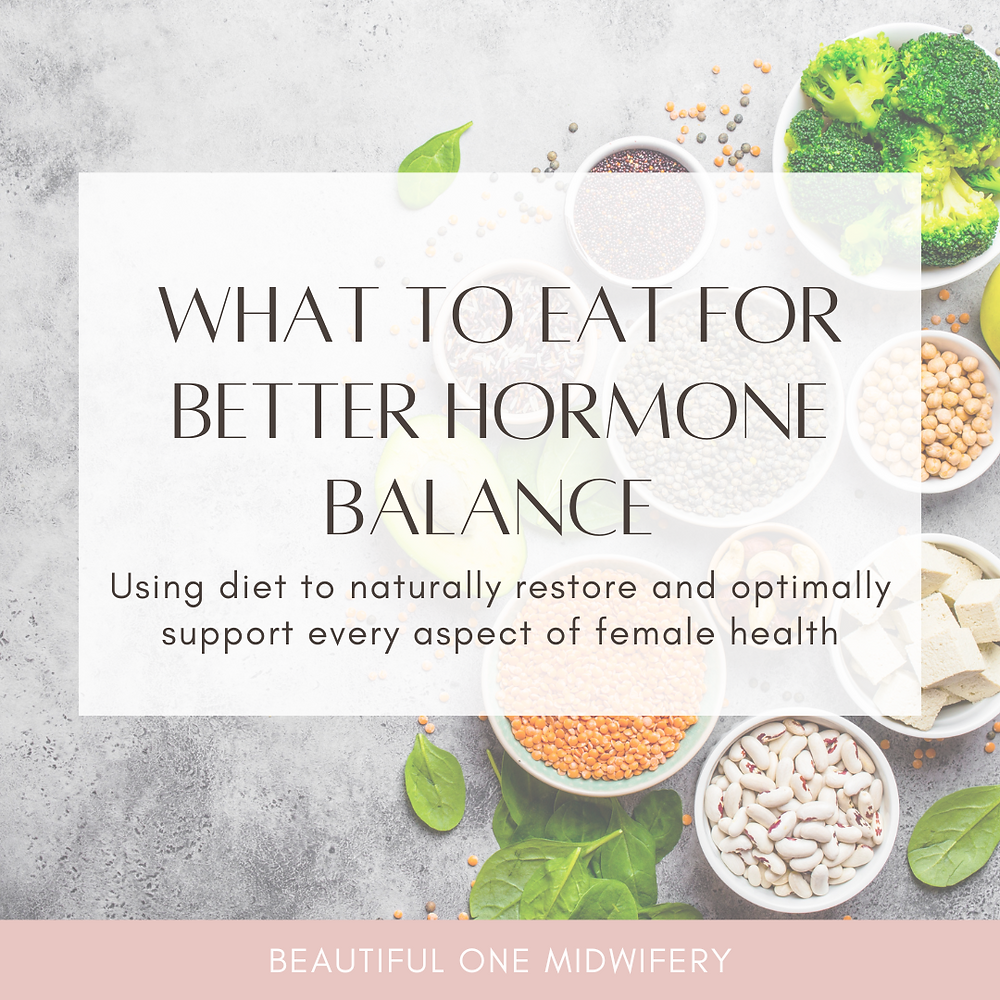
An anti-inflammatory diet can help reduce androgen levels and improve cycle regularity. Key foods include:
- Fatty fish (salmon, sardines, mackerel) — rich in omega-3s
- Leafy greens, broccoli, and colourful vegetables
- Berries — high in antioxidants
- Turmeric and ginger — natural anti-inflammatories
- Flaxseeds — support oestrogen metabolism
4. Prioritise sleep and stress management
Chronic stress elevates cortisol, which worsens insulin resistance and increases androgen production. Aim for 7–9 hours of quality sleep and incorporate daily stress-reduction practices such as walking, breathwork, or yoga.
5. Consider key supplements
Several supplements have strong evidence for PCOS support — always consult your doctor before starting:
- Inositol (myo-inositol + D-chiro-inositol) — improves insulin sensitivity and menstrual regularity
- Magnesium — reduces insulin resistance and supports sleep
- Vitamin D — deficiency is common in PCOS and linked to worse outcomes
- Spearmint tea — shown to reduce androgen levels with regular consumption
You are not alone
PCOS can feel isolating and overwhelming — especially when symptoms affect your confidence, your fertility, and your daily energy. But with the right knowledge and consistent lifestyle changes, most women see significant improvements in their symptoms within 3–6 months.
You are not broken. Your body is asking for support — and the good news is that the food you eat, how you move, and how you rest can make a profound difference.